
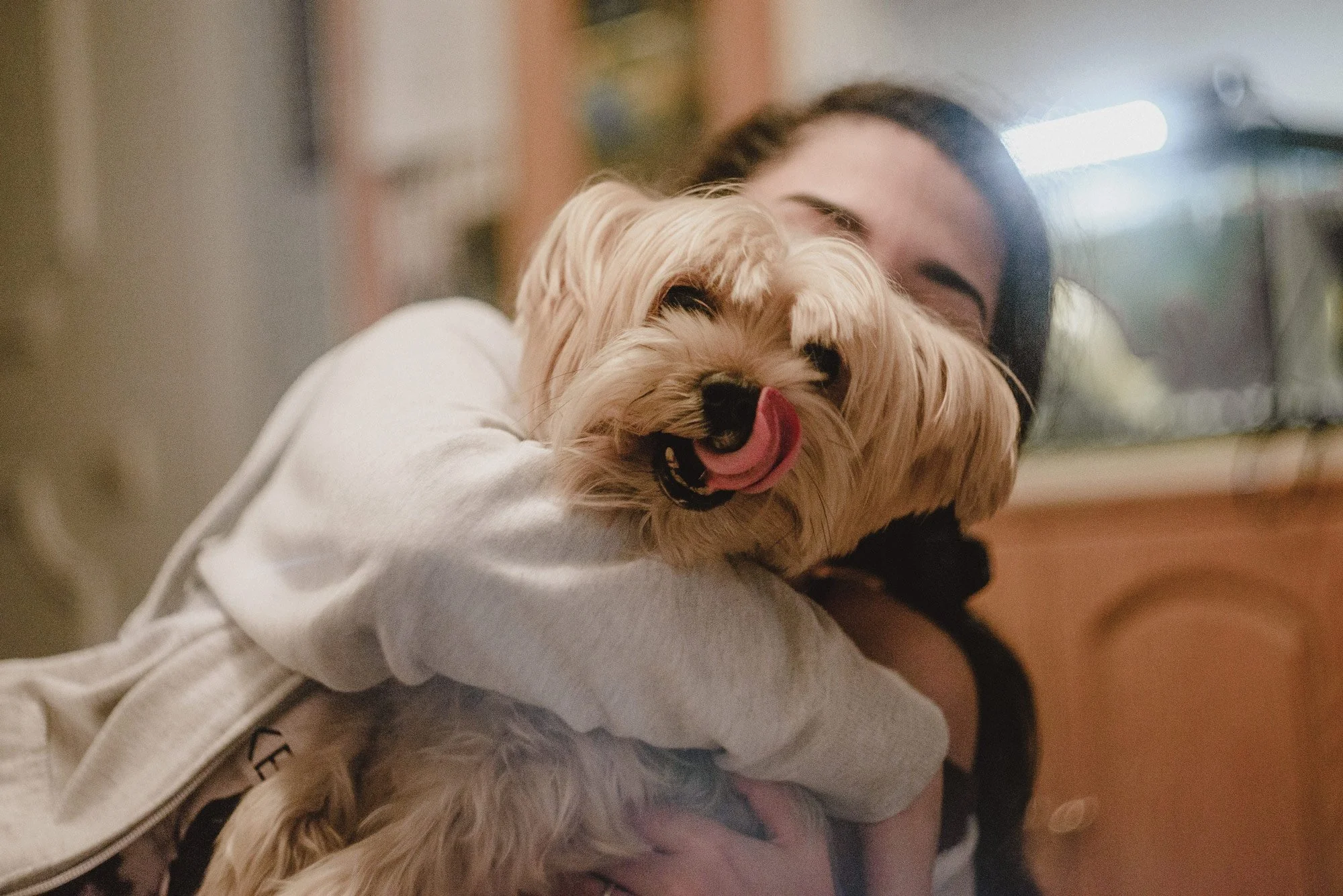
We Believe That Dog Training Should Be Fun, Not A Job.
Kittery K9 training is built around a straightforward approach that helps dogs understand what is expected and helps owners understand how to teach it. Through routine, repetition, clear communication, and positive reinforcement, we build reliable behaviors step by step while giving owners the tools to continue training long after class ends.
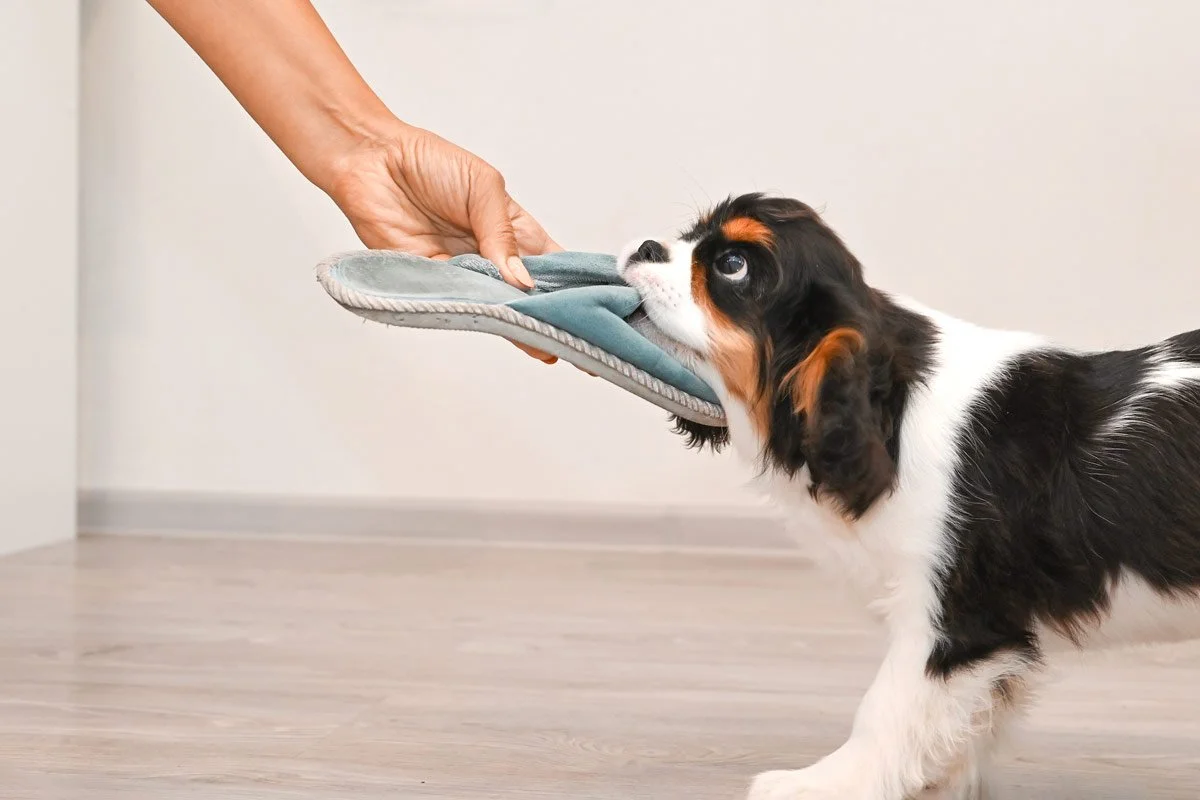
Dog training simple enough to maintain and structured enough to produce results.
By connecting training to an existing daily routine, owners have a consistent opportunity to practice.
By teaching behaviors before relying on verbal commands, dogs have a clearer understanding of what is expected.
By marking and rewarding correct behavior, dogs learn which choices produce positive outcomes.
By adding duration and distractions gradually, dogs develop reliability rather than simply memorizing commands.
And by teaching the owner how to continue the process, training doesn't stop when the class ends.
The result is a training routine that is practical, repeatable, and designed for real life.
Our 10 Step Process Has Proven Successful Time And Time Again.
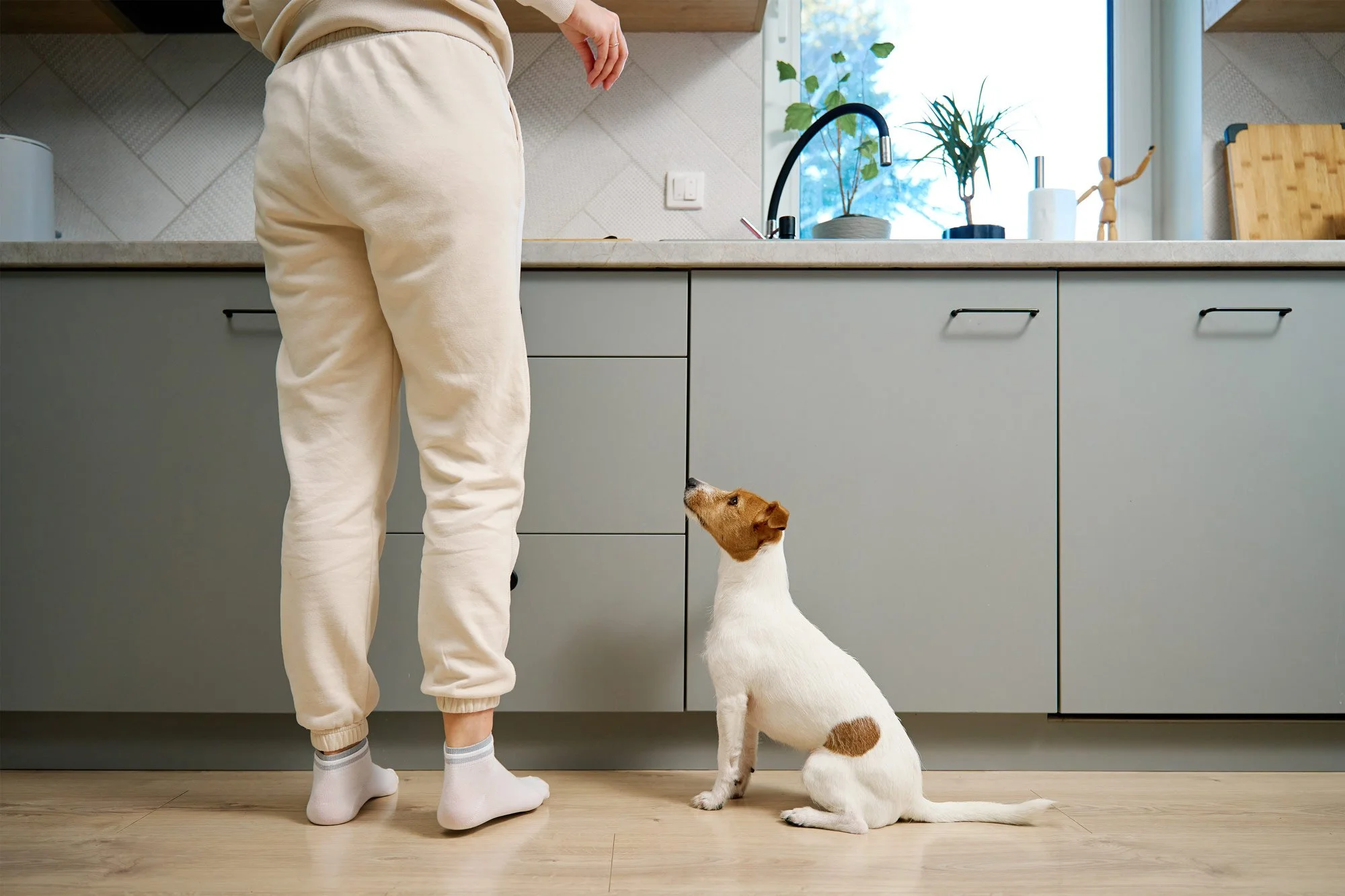
STEP 1: Establish the Routine
Make training part of your dog’s daily routine. Use a portion of their meal as a training reward.
STEP 2: Lure the Behavior
Use food and a hand gesture to guide your dog into the desired position. Show first, speak later.
STEP 3: Mark the Success
Use “YES!” to identify the exact moment your dog performs the behavior correctly, then reward.
STEP 4: Build Engagement
Teach your dog to focus on you. Use your voice, energy, body language, and positive filler words to maintain attention.
STEP 5: Introduce the Verbal Cue
Once your dog understands the behavior, add the verbal command. Connect the cue to the behavior and reward.
STEP 6 “ Teach the Release
Teach your dog when a command is finished. A consistent release cue tells your dog they are free to move.
STEP 7: Establish the Expectation
Your dog remains in the commanded position until released. This builds impulse control and reliability.
STEP 8: Add Duration
Gradually increase the amount of time your dog must maintain the behavior before receiving the release.
STEP 9 : Add Distractions
Introduce real-world challenges such as food, toys, people, other dogs, noise, and movement.
STEP 10 : Build Reliability
Practice behaviors in different environments and situations until your dog responds consistently—even when distractions are present.
Client Reviews
“Scott’s approach is easy to understand and actually works in everyday situations. Our dog is more obedient, more confident, and we feel like we know how to communicate with her.”
— Sam T., York, ME